
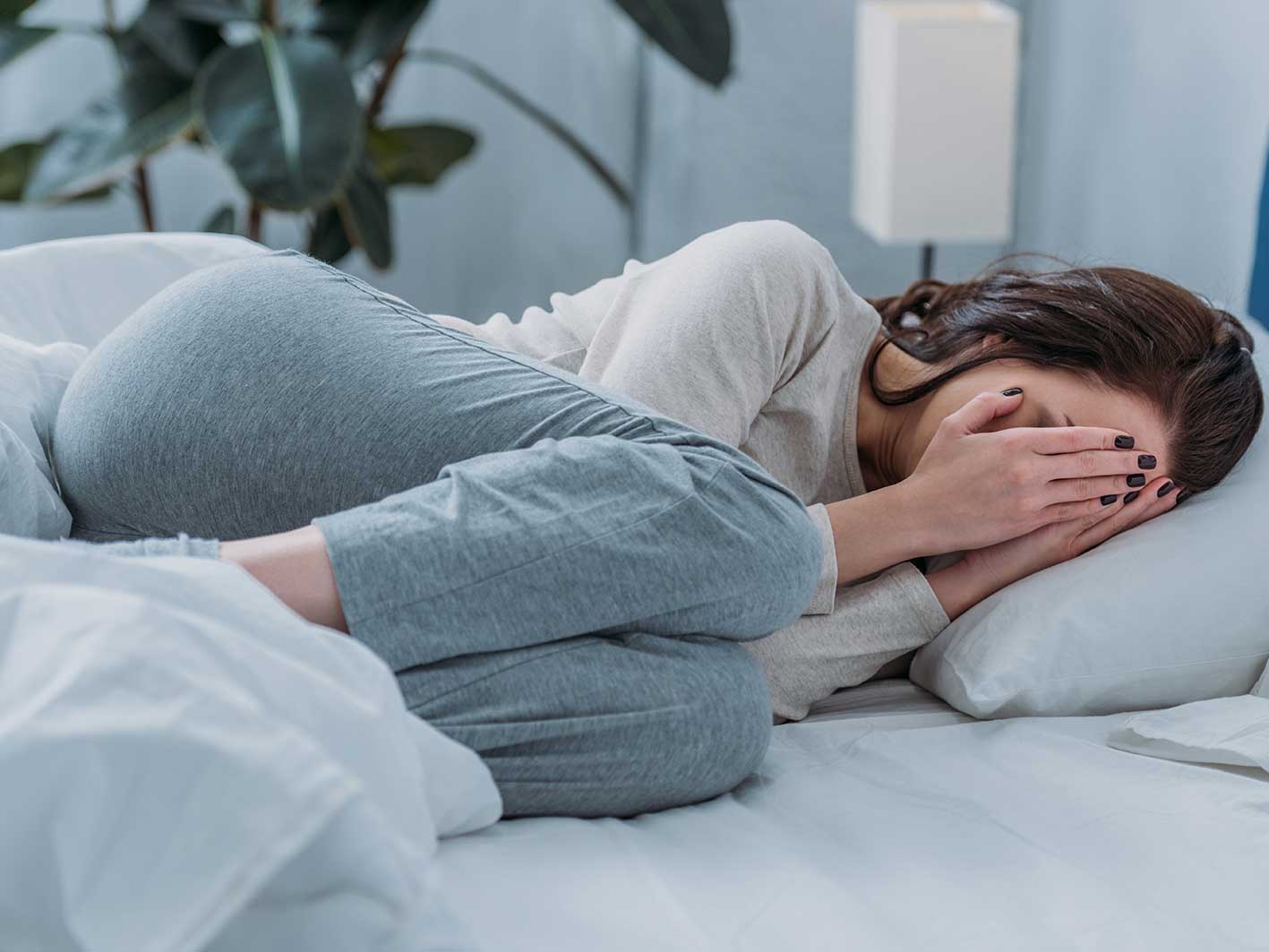
How do you know if you are suffering from postpartum depression?
Anyone who has experienced postpartum depression knows how hard it is to be postpartum, taking care of a baby (and maybe other children as well), suffering from every moment when all you want to do is get in bed and run away from reality.
My Experience
This was my experience after giving birth to my daughter. My biggest dream was to run away from home and go sleep in a hotel for a week straight and let someone else take care of my baby. That obviously didn’t happen.
My baby suffered from cholic, reflux, and stridor. She was allergic to almost every type of milk, vomited and had diarrhea a lot, she didn’t sleep at night, and did not stop crying for two years straight (also at night). Almost every night I would drive around with her in the car so I could have a few moments of quiet. She only began sleeping through the nights at the age of six. For a long period of time, I was a zombie and functioned with almost no sleep.
For women who suffer from postpartum depression, maternity leave is essentially ongoing suffering. There are different levels of depression. In the most drastic case, a mother thinks about hurting her child as her judgment is clouded due to hormonal imbalances and sleep deprivation. Thankfully, I was never in this situation, however, I would cry a lot and it was uncontrollable. I barely slept for many months, and I felt as though it was a never-ending curse.
What Causes Postpartum Depression?
A combination of hormonal imbalances following pregnancy and birth, and a genetic tendency. There are also many other factors, such as a difficult baby, a lack of help and support in dealing with the baby, a stressful relationship, and many others. For women who are used to being in control, and suddenly feel they don’t have control, this can be very difficult.
How Did I Manage to Come Out of Postpartum Depression?
Approximately six months after the births of my first two children, I felt that I was back to my normal self. I woke up one day and I felt happy, as if I had received my life back.
Following the birth of my third child, it didn’t happen naturally. After three months of functioning on almost no sleep, I began to feel as though I was losing hold of reality. I went to a doctor who gave me three types of medicine: medicine to treat depression, anxiety medicine, and sleeping pills. It took me an additional three months to come out of the depression and then I started enjoying my baby and the rest of my family. The challenges still existed but at least I was in a better place to deal with them.
My Message to You
My message to you is that you don’t need to be embarrassed by postpartum depression, but you do need to seek treatment. It’s a real phenomenon and many women aren’t even aware they are suffering from it. They don’t understand themselves or their feelings. They don’t understand why they’re so mad at their baby (who took their freedom). They don’t understand why they even decided to have children. And even worse, they hate themselves for these thoughts.
Just so you know, there is life after postpartum depression and it’s worth living for!
Today, my daughter is 17 years old, and she is amazing in every way possible. She is social, caring, calm, smart, kind, and gentle. I enjoy every moment with her. I feel blessed that I received this amazing gift and I am thankful for her every day. I would go through the suffering I went through again to be her Mom! Never lose hope. After difficult periods, things always become easier. I promise!
Awareness of the Phenomenon
I was surprised to discover that even in this day and age, in some communities, there is almost zero awareness of postpartum depression. It’s very important that a woman’s husband and extended family are aware of the phenomenon and can take her to a psychiatrist to receive treatment. Once the situation has stabilized, you can come to me together with other family members and I will provide you with guidance and support.


